Connecting ePTFE membrane technology with automotive engineering. Venting, pressure equalization and pressure-relief solutions for lighting, electronics, electric drivetrains and battery enclosures.
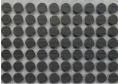
Conceptual membrane illustration · not a product drawing
ePTFE MEMBRANE TECHNOLOGYAUTOMOTIVE & ENERGY STORAGEOEM / ODM DEVELOPMENT
APPLICATIONS
Built around automotive applications
Bringing membrane performance and assembly design together, from the mounting interface to the operating environment.
01 / LIGHTING
Automotive lighting
Air and water-vapor exchange helps reduce trapped moisture and supports condensation clearing. Selection considers lamp volume, temperature cycles and fog-clearing targets.
Headlamps / Rear lamps / Fog lamps / Illuminated emblems
02 / ELECTRONICS
Automotive electronics
Supports pressure equalization during temperature and ambient-pressure changes, reducing pressure loading on enclosure seals.
ECUs / Cameras / Sensors / Onboard chargers
03 / E-DRIVETRAIN
Electric drivetrains
Matches membrane, housing and seal materials to pressure cycling, oil mist and fluid exposure. Oleophobic performance is evaluated with the actual fluids.
Motors / E-axles / Inverters / Control housings
04 / EV BATTERY
EV battery enclosures
Membrane venting manages pressure in normal operation. A mechanical relief mechanism provides an additional discharge path at its specified activation pressure.
Normal venting / Pressure relief / Optional moisture absorption
Standard selection and application-specific development, matched to airflow, environmental protection and installation space.
ePTFE membranes
A controlled path for gas exchange, resisting liquid water and particles under defined conditions.
Snap-fit vents
Push-in mounting evaluated for hole dimensions, wall thickness, latch retention and seal compression.
Threaded vents
Plastic or metal housings matched to threaded interfaces, with model-specific torque and sealing requirements.
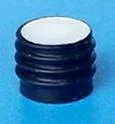
Vent plugs and caps
Compact formats selected for limited space, assembly method and environmental exposure.
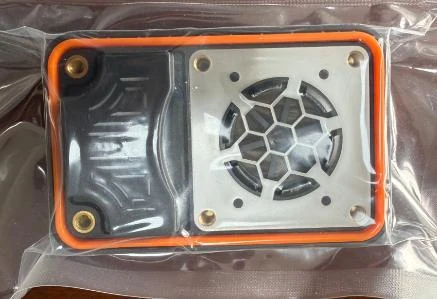
Pressure-relief assemblies
Combine membrane venting with mechanical relief. Activation pressure, tolerance and relief flow are specified separately.
Moisture-absorbing assemblies
Optional moisture absorption evaluated against moisture load, absorbent capacity, service conditions and maintenance strategy.
Performance and protection ratings apply to the specified model and test conditions. Validate the installed assembly. A pressure-relief vent is part of battery safety design; it does not prevent cell thermal runaway.
PRESSURE MANAGEMENT
Three needs. One integrated design.
Define normal pressure equalization, environmental protection and abnormal pressure relief separately, then evaluate them together in the actual enclosure.
01 / EQUALIZE
Equalize pressure
Temperature and ambient-pressure changes load seals and joints. Match membrane area and airflow to free internal volume and the expected rate of pressure change.
02 / PROTECT
Match environmental protection
Assess water, dust, oils, coolants and cleaning agents. Membrane selection, sealing interfaces and mounting position all affect installed protection.
03 / RELIEVE
Respond to abnormal pressure
Specify relief activation pressure and tolerance, target flow and post-activation behavior. Review discharge space and enclosure strength at the same time.
APPLICATION STUDIES
Starting with the engineering challenge
Reviewing interfaces, materials and operating conditions to guide sample evaluation and design decisions.
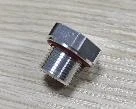
BATTERY ENCLOSURE / M20
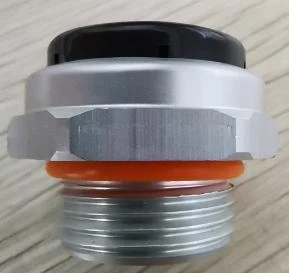
Battery enclosure vent replacement application
An M20 replacement concept combining an aluminum housing, ePTFE membrane, silicone seal and spring-operated relief mechanism.
Review thread engagement, sealing surface, wall thickness and space
Evaluate airflow, activation pressure and relief flow separately
Validate replacement compatibility with the full enclosure
COMMERCIAL VEHICLE / LIGHTING
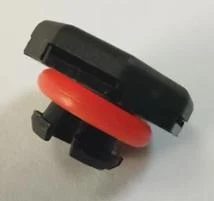
Snap-fit venting for commercial vehicle lighting
A push-in concept with glass-fiber-reinforced PBT housing and oleophobic ePTFE membrane, addressing fogging, water exposure and assembly consistency.
Assess hole dimensions, wall thickness, latches and seal compression
Measure installation and retention forces across tolerances
Evaluate water protection and fogging behavior on assembled lamps
ABOUT BRONRY
Materials and engineering. Connected to real applications.
Bronry is a China-based developer and manufacturer of ePTFE membranes and venting assemblies, supporting pressure management and environmental protection for automotive, energy storage and industrial enclosures.
Materials and manufacturing
Membrane development and treatment, housing production and assembly.
Engineering collaboration
Standard selection and custom development, supported by 2D drawings and 3D STEP models.
Quality and traceability
Product-specific inspection and acceptance criteria, with batch identification and agreed documentation.
01
Define requirements
Review volume, temperature, fluids and installation constraints.
02
Select a concept
Match membrane, housing, seals and relief requirements.
03
Evaluate samples
Check airflow, sealing and assembly compatibility.
04
Validate integration
Assess environmental and aging performance under agreed conditions.
05
Prepare production
Confirm drawings, inspection, traceability and documentation.
ENGINEERING FAQ
Questions to clarify before selection
Can a vent solve every condensation problem?
Venting helps reduce trapped moisture, but water vapor can pass through a membrane in either direction. Condensation also depends on temperature, humidity, enclosure materials and cold surfaces. Evaluate fogging and clearing under representative conditions.
Does a matching thread make a vent interchangeable?
Review thread engagement, sealing geometry, wall thickness, available space, torque and performance requirements. A matching nominal thread alone does not establish compatibility. Validate the replacement in the actual enclosure.
How should technical performance be compared?
Airflow needs a stated differential pressure, water entry pressure needs a test duration, and relief flow needs pressure and test setup. Compare values against the specific model, supporting reports and installation conditions.
What can be customized?
Discuss membrane selection, airflow, housing and seal materials, mounting interfaces and relief characteristics. Engineering reviews can use 2D drawings, 3D STEP models and an agreed sample evaluation plan. Configurations and deliverables are confirmed during project review.
LET’S ENGINEER YOUR SOLUTION
Start with your enclosure
Prepare the following information for a discussion with Bronry about standard selection, sample evaluation or custom development.