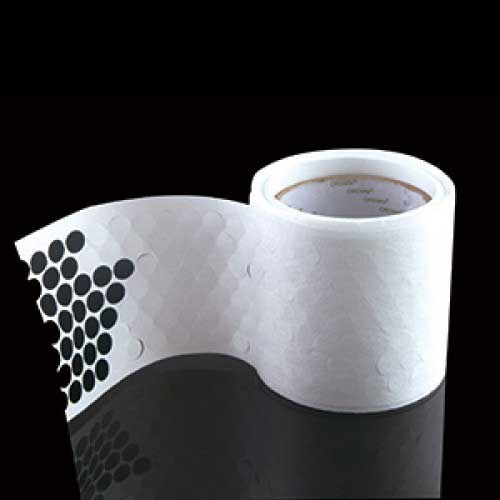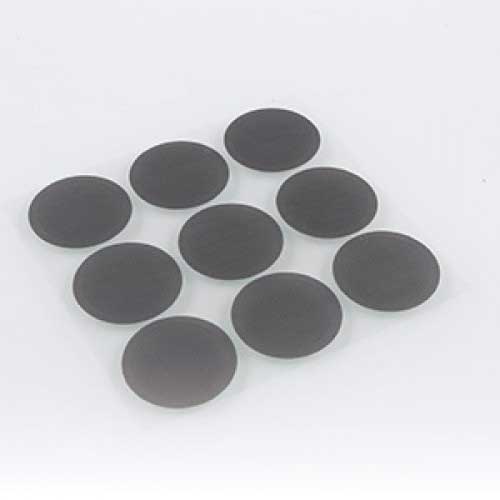
Catalogue images illustrate reference configurations. Please confirm BRONRY availability, final appearance, materials and performance specifications for your project.
D7 acoustic membrane
Die-cut venting and acoustic membrane formats for device integration.
Application-led selection
Membrane integration; confirm the active area, thickness and attachment method.
A closer look at the specification.
Reference catalogue values for this configuration. Confirm the final BRONRY specification and test report before use.
View reference source ↗| Product designation | D7 |
|---|---|
| Transmission loss at 3,000 Hz | <2dB |
| Airflow | >1200 mL/min/cm²@70 mbar |
| Water pressure resistance | 300 mbar |
| Ingress protection | IP67 |
| Temperature range | -20 °C to 100 °C |
| Acoustic membrane properties | Hydrophobic |
| Acoustic membrane material | Expanded PTFE (ePTFE) |
| Acoustic membrane color | Black |
| Backing material | PP |
| Backing color | White |
| Acoustic membrane thickness | 0.15±0.01 |
| Adhesive | Acrylic |
An airflow value without a stated pressure differential cannot be directly compared with another test. Component IP information does not establish the rating of your finished enclosure.
Check the interface before integration.
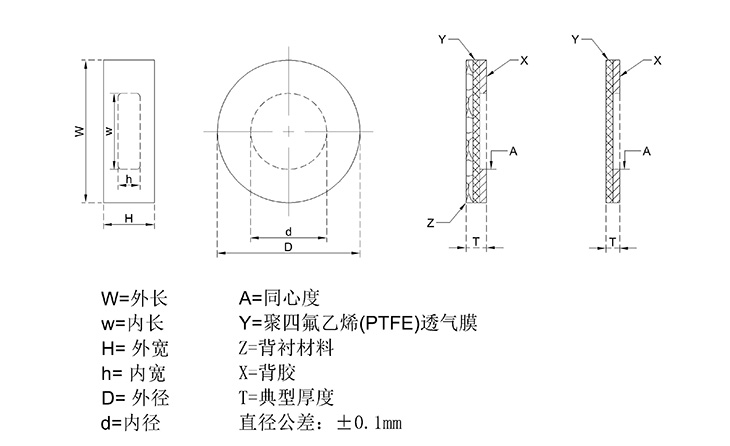
Reference illustrations may contain Chinese annotations. They are for format comparison; use the approved drawing for production and tooling.
Good integration starts with the interface.
- Clean the bonding area and keep it free from oil, dust and surface defects.
- Handle membranes with gloves or blunt tweezers; avoid touching or puncturing the active area.
- Peel the release liner back gently instead of prying or folding the membrane.
- Align the patch with the vent opening and follow the agreed adhesive pressure, temperature and dwell-time requirements.
- Check the rest of the enclosure seals before attributing leakage to the membrane.
Questions before you specify?
How do I choose a vent?+
Start with the mounting interface, enclosure volume, temperature, exposure and target airflow. Evaluate the chosen configuration in the complete assembly.
What determines airflow?+
Membrane structure, exposed area and pressure differential all affect flow. Compare data only when units and test conditions are aligned.
Does an IP rating apply to my finished product?+
A component result does not establish the rating of the complete enclosure. Seals, mounting and other openings must be tested as part of the final assembly.
Can a vent eliminate condensation?+
Venting can support pressure and moisture exchange. Condensation also depends on temperature, humidity, enclosure geometry and operating conditions.
Related configurations
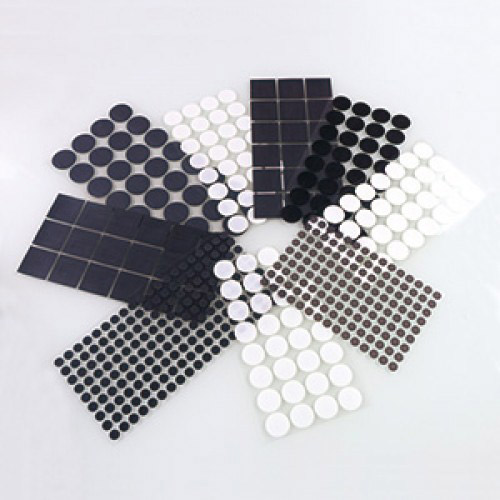
Custom venting membranes
View configuration →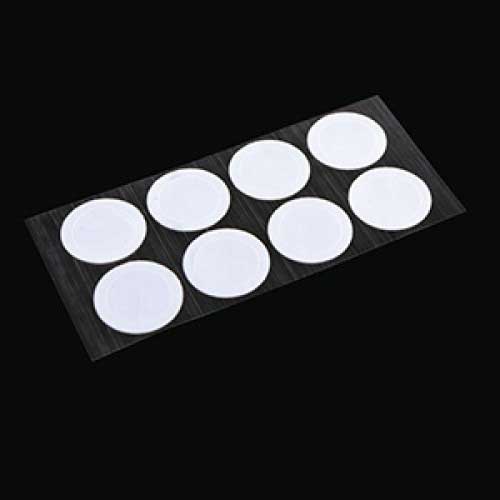
GT010 acoustic membrane
View configuration →