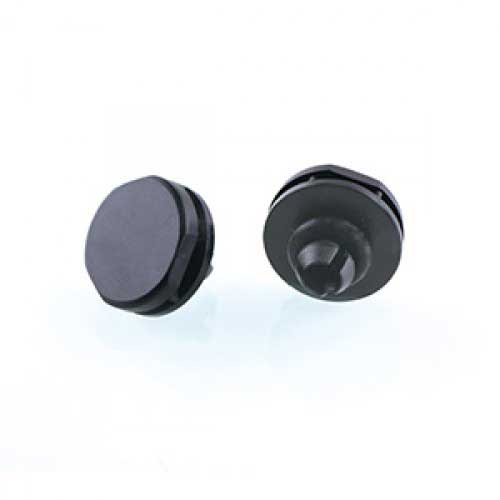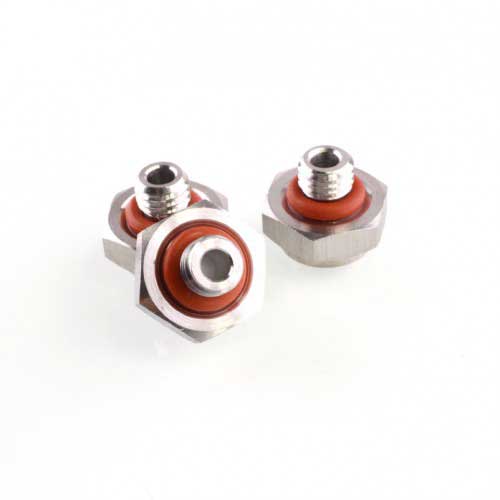
Catalogue images illustrate reference configurations. Please confirm BRONRY availability, final appearance, materials and performance specifications for your project.
M8 × 1.25 stainless-steel vent
Threaded, snap-fit and recessed formats for equipment enclosures.
Application-led selection
Threaded installation; confirm thread size and pitch, sealing face and installation torque.
A closer look at the specification.
Reference catalogue values for this configuration. Confirm the final BRONRY specification and test report before use.
View reference source ↗| Airflow | 0.8 L/min |
|---|---|
| Ingress protection | IP67; 1 m immersion for 30 minutes; no water ingress stated |
| Membrane material | Expanded PTFE (ePTFE) |
| Membrane properties | Water protection, Dust protection, Oil resistance |
| Housing color | Natural stainless steel |
| Temperature range | -40 °C to 125 °C |
| Body & cap material | Stainless steel |
An airflow value without a stated pressure differential cannot be directly compared with another test. Component IP information does not establish the rating of your finished enclosure.
Check the interface before integration.
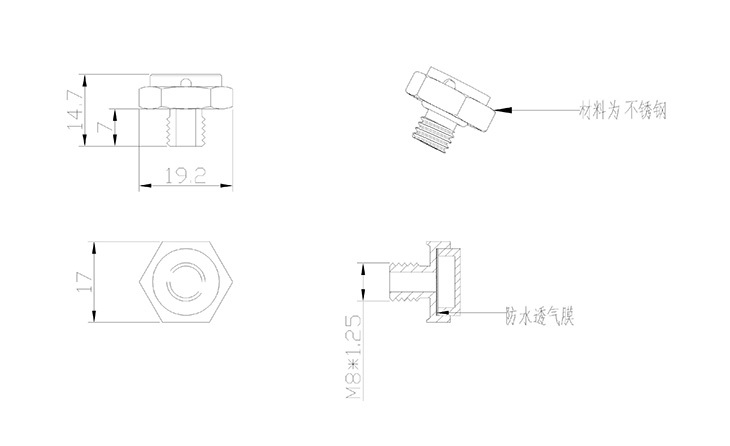
Reference illustrations may contain Chinese annotations. They are for format comparison; use the approved drawing for production and tooling.
Good integration starts with the interface.
- Inspect the thread, mating surface and seal before assembly.
- Use the approved thread engagement and installation torque; avoid loading the membrane area.
- Position the vent so that liquids and contaminants do not pool on the active opening.
- Confirm sealing and airflow on the complete enclosure.
Questions before you specify?
How do I choose a vent?+
Start with the mounting interface, enclosure volume, temperature, exposure and target airflow. Evaluate the chosen configuration in the complete assembly.
What determines airflow?+
Membrane structure, exposed area and pressure differential all affect flow. Compare data only when units and test conditions are aligned.
Does an IP rating apply to my finished product?+
A component result does not establish the rating of the complete enclosure. Seals, mounting and other openings must be tested as part of the final assembly.
Can a vent eliminate condensation?+
Venting can support pressure and moisture exchange. Condensation also depends on temperature, humidity, enclosure geometry and operating conditions.
Related configurations
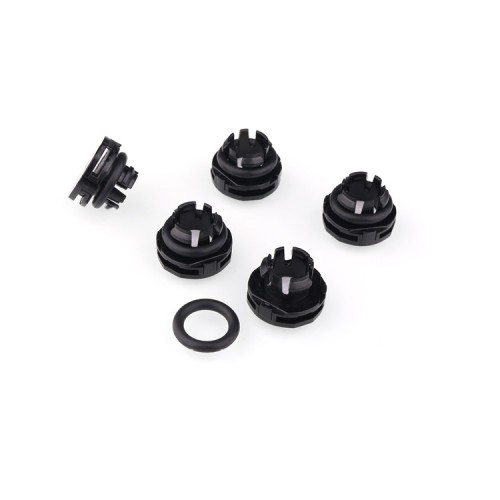
PV-Z3 snap-fit protective vent
View configuration →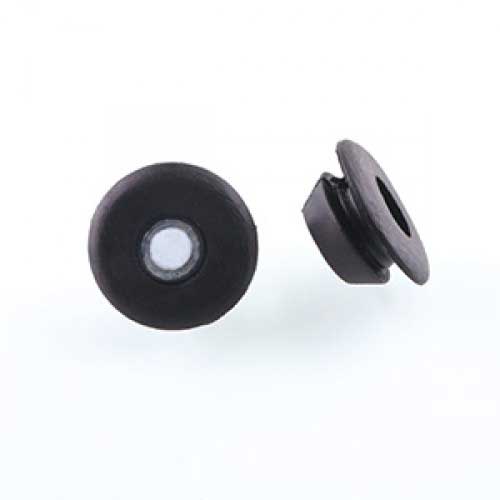
Recessed protective vent
View configuration →